How to Say “I Love You” in Cat Language (5 Signals)
How do I say “I love you” in cat language?
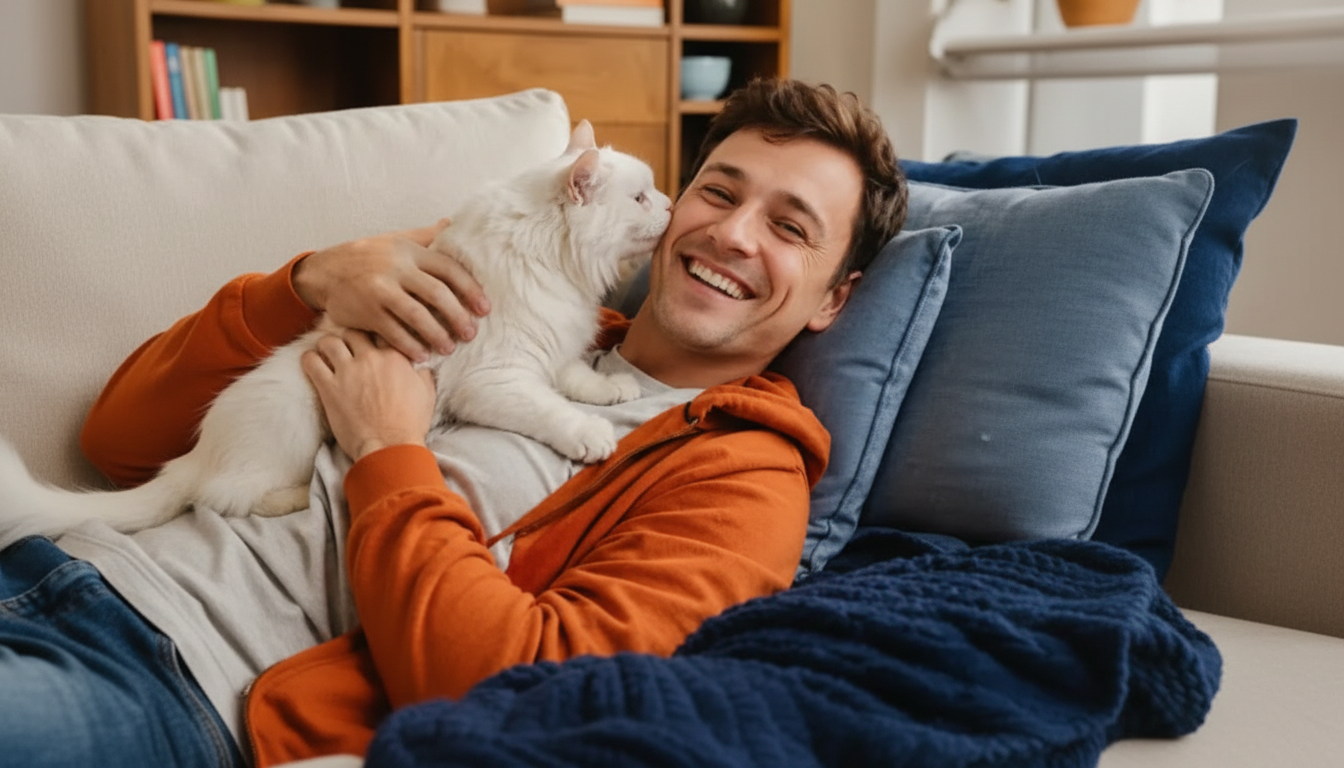
Cats don’t “say” love with words—they show it through calm, consistent signals. To tell a cat “I love you,” copy the affectionate behaviors cats naturally use with trusted companions: slow blinking, gentle head-butting, respectful touch, and providing safety on their terms. Done right, your cat is more likely to respond with relaxed body language, purring, and choosing to stay close.
For more examples and deeper tips, visit How do I say “I love you” in cat language?.
Answer
Use the “slow blink” (the closest thing to “I love you”)
Look at your cat softly, then slowly close your eyes for a second and open them again. Repeat once or twice, then look away. If your cat slow-blinks back, that’s a strong sign they feel safe and affectionate with you.
Offer your hand like a polite greeting
Hold out a relaxed finger a few inches from their nose and let them choose to sniff. If they rub their cheek or forehead on you, that’s the feline equivalent of a friendly hug—scent-marking you as “theirs.”
Communicate with consent-based petting
Many cats read “love” as gentle, predictable touch. Aim for cheeks, chin, and the base of the ears, and stop after a few strokes to see if they ask for more. If the tail flicks sharply, skin ripples, or ears rotate back, pause—respect builds trust faster than extra petting.
Show love through comfort and routine
Cats bond through reliability: regular mealtimes, clean litter, and quiet places to rest. Add small rituals like a daily play session with a wand toy, then a treat—this mirrors the hunt-eat-groom-sleep rhythm that helps cats feel secure.
Learn their “yes” signals
Affection looks like relaxed posture, soft eyes, upright tail with a hooked tip, kneading, purring, and choosing to sit near you. When your cat seeks proximity on their own, that’s a clear “I love you” back.
FAQ
Why does my cat slow blink at me?
Slow blinking is a trust signal. Your cat is showing they feel safe around you, and returning a slow blink is a friendly way to reinforce that bond.








Leave a comment