10 First Aid Kit Essentials to Keep on Hand
What are 10 important items in a first aid kit?
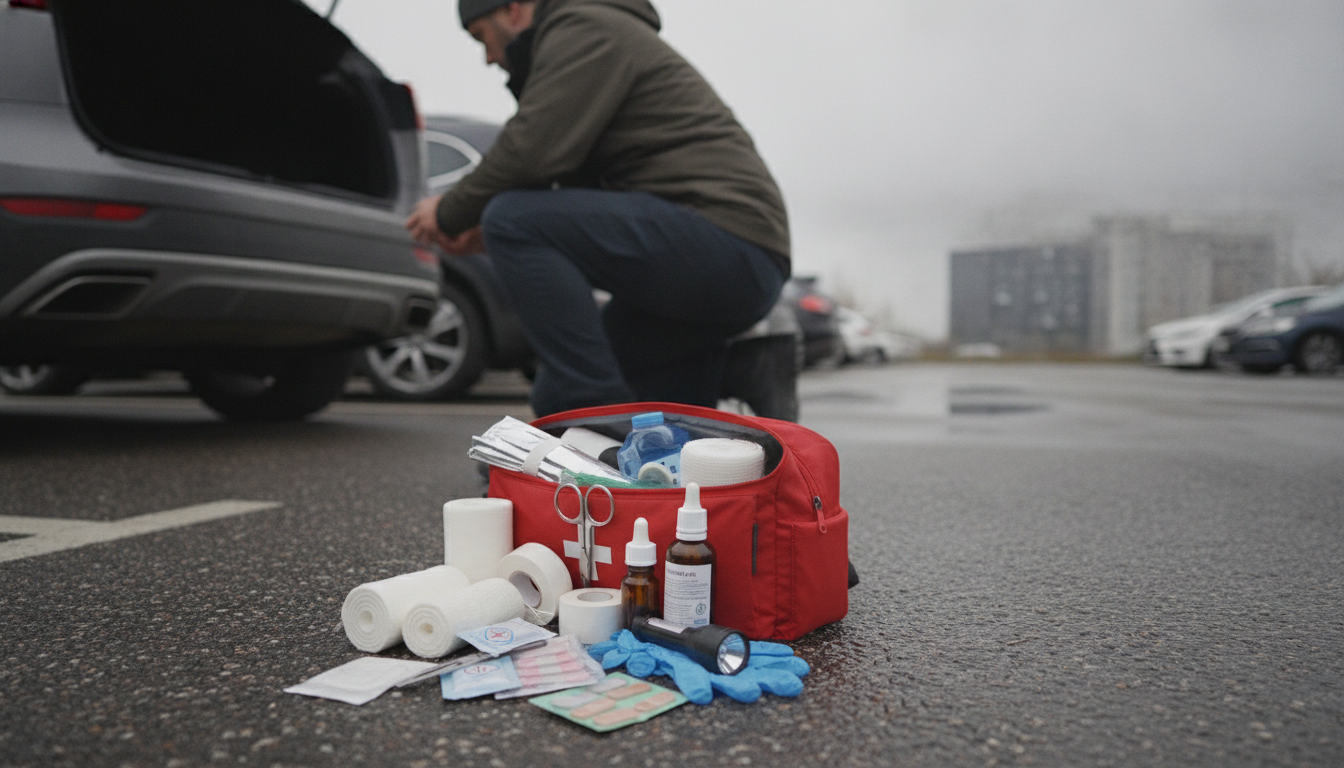
A solid first aid kit covers everyday cuts, burns, sprains, and minor illnesses—plus a few essentials for safe cleanup. Here are 10 important items to keep stocked so you can handle common situations quickly and calmly.
1) Assorted adhesive bandages
Great for small cuts and blisters. Include multiple sizes and a few extra-long strips for knuckles and heels.
2) Sterile gauze pads
Use these to cover larger wounds, absorb blood, and protect scraped skin. Pair with medical tape to secure them in place.
3) Medical tape
Helps hold gauze and dressings where bandages won’t stick well. Choose a breathable option that’s easy to tear.
4) Antiseptic wipes
Ideal for cleaning skin around a wound when soap and water aren’t available. Single-use packets stay fresh longer.
5) Antibiotic ointment
A thin layer can help prevent infection in minor cuts and scrapes. Check expiration dates and replace as needed.
6) Elastic bandage wrap
Useful for compression and support for sprains or strains, and for holding dressings in place. Keep at least one 3–4 inch roll.
7) Instant cold pack
Helps reduce swelling and pain from bumps, bruises, or sprains. Store it where it won’t get punctured.
8) Tweezers
For splinters, small debris, or removing ticks when used correctly. A pointed, stainless-steel pair is easiest to sanitize.
9) Scissors
Blunt-tip scissors cut tape, gauze, and clothing safely. Avoid using household scissors that may be dull or dirty.
10) Disposable gloves
Nitrile gloves protect both the caregiver and the injured person during cleanup and treatment. Pack a few pairs in different sizes if possible.
For a deeper checklist and guidance on building a kit for home, travel, or the car, visit the full first aid kit essentials guide.
FAQ
How often should you replace items in a first aid kit?
Check your kit every 3–6 months and replace anything used, expired, or damaged. Medications, ointments, and sterile items should be swapped out by their expiration dates.











Leave a comment